Best Used Honda Vehicles: Smart Picks on Any Budget Today
Shopping for a used Honda vehicle shouldn’t feel risky or expensive.
With the right short list, inspection steps, and smart negotiating, you can land a fuel-efficient, low-maintenance Honda that fits your budget and lasts for years.Why Used Hondas Are a Smart Buy
Proven reliability and low ownership costs make used Hondas favorites among students, young professionals, and small families. Many well-maintained Hondas routinely surpass 200,000 miles, and parts are widely available, which helps keep repair bills reasonable compared with many competitors.
Hondas also sip fuel thanks to efficient four-cylinder engines and hybrids. Insurance is typically affordable, and routine maintenance—oil changes, brake pads, fluids—tends to be straightforward for independent shops. That combination delivers standout total value over time.
Safety is another strength. Honda has a long track record of high crash-test scores, and many late-2010s models added advanced driver-assistance features (like adaptive cruise and lane keeping) through the Honda Sensing suite. You’ll find strong safety and efficiency without paying luxury-car prices.
Best Used Honda Models by Budget
Under $10,000
Honda Fit (2009–2013): A city-friendly hatch with magic-fold rear seats and surprising cargo space. Expect mid-to-high 20s mpg in town and mid-30s on the highway. Prioritize maintenance records and a clean underbody in rust-prone regions.
Honda Civic (2008–2012): Practical, efficient, and widely available. Focus on the 1.8L engine for the best reliability-to-economy balance. Manual transmissions are simple and durable; with automatics, confirm smooth shifts and timely fluid service.
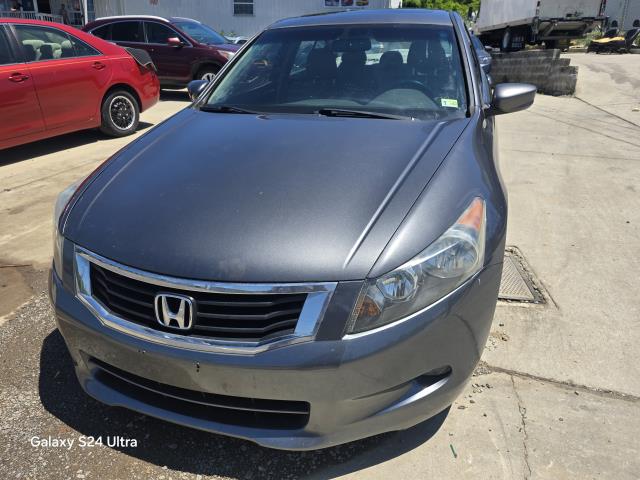
Honda Accord (2007–2011, 4-cyl): Roomy and comfortable, with highway mpg in the low-to-mid 30s for four-cylinder models. High-mileage examples can still be great buys if service is documented and tires, brakes, and fluids are up to date.
$10,000–$15,000
Honda Civic (2013–2016): Quieter cabins and upgraded tech versus earlier years. Many achieve around 30–40 mpg depending on driving mix. Look for maintenance records, especially CVT fluid changes where applicable.
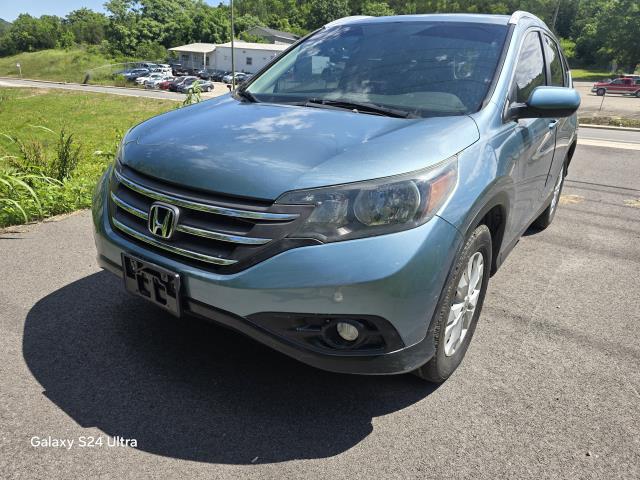
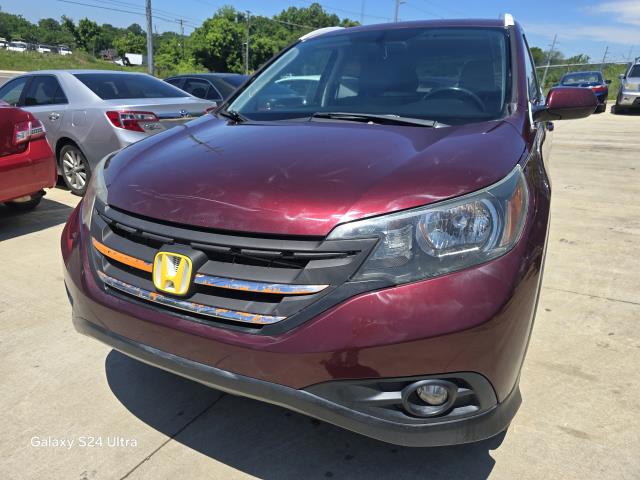
Honda CR-V (2012–2014): A compact SUV with family-friendly space and mid-20s to low-30s mpg. Drive at various speeds to check for vibrations and ensure the A/C blows cold; these are popular family road-trip vehicles.
Honda Fit (2014–2016): Roomier than the first gen, still excellent on gas, and great for urban parking. Inspect for suspension clunks over speed bumps and confirm infotainment responsiveness.
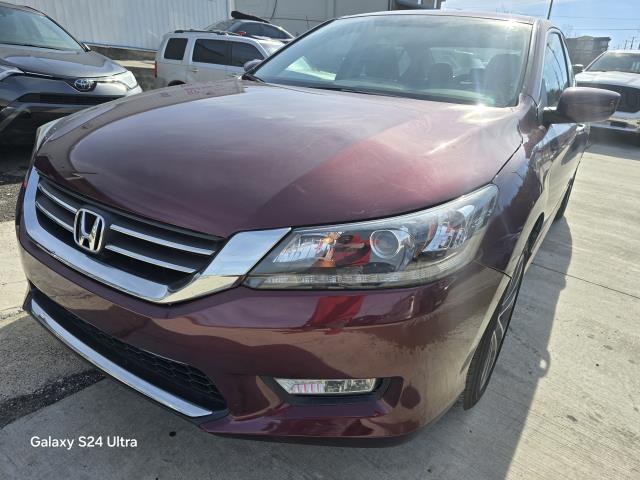
Honda Accord (2013–2015, 4-cyl): Comfortable commuter with strong safety scores and 30+ mpg. The 2.4L four-cylinder is the value sweet spot; budget for tires and brakes if you plan lots of highway miles.
$15,000–$25,000
Honda Civic (2017–2020): Modern tech, excellent mpg (often low-30s city/high-30s to 40+ highway), and refined ride quality. For turbo models, confirm scheduled oil changes and that the car runs on the recommended fuel.
Honda CR-V (2017–2019): Spacious cabin, strong resale value, and family-friendly features. Drive on the highway and up a hill to verify smooth power delivery. Check cabin and cargo areas for wear if it saw lots of kid or pet use.
Honda HR-V (2019–2021): Subcompact SUV with clever folding rear seats and excellent fuel economy. Light steering makes it easy in the city; check for consistent CVT operation on test drives.
Honda Accord (2016–2018): Quiet, composed, and efficient—especially the 1.5T/2.0T or 2.4L models. If advanced safety is important, prioritize trims with Honda Sensing and verify proper operation on your test drive.
CPO option: If you want extra peace of mind, explore Honda Certified Pre-Owned for warranty coverage, roadside assistance, and vehicles screened by factory standards.
How to Verify Condition and Avoid Surprises
1) Pull the VIN history. Ask for the VIN and review a history report to check for accidents, mileage inconsistencies, title issues, and maintenance entries. One-owner Hondas with regular service are great finds.
2) Confirm maintenance and recalls. Request service records, then search for open recalls by VIN using the official NHTSA recall lookup. Make sure scheduled items—brake fluid, transmission/CVT fluid, coolant, spark plugs—have been handled.
3) Test drive with a plan. Start cold to listen for abnormal noises, then drive in city and highway conditions. Check: straight tracking, smooth transmission shifts, firm braking without pulsing, no warning lights, and responsive A/C. Try all windows, locks, mirrors, infotainment, backup camera, and any driver-assist features.
4) Get a pre-purchase inspection (PPI). An independent mechanic’s inspection—often $100–$200—can reveal hidden issues, from minor leaks to worn suspension bushings. Use the findings to negotiate or walk away.
Honda-specific notes: Budget for CVT fluid changes at factory intervals, especially on Civic/HR-V; listen for suspension clunks over bumps on older Fits and Civics; and, on V6 models equipped with timing belts, ask when the belt and water pump were last replaced (often around 90k–105k miles—consult the owner’s manual).
Where to Shop and Compare
Dealers vs. private sellers: Dealerships may offer reconditioning, financing, and trade-in convenience. Private-party sales can mean lower prices and more direct history from the owner. Certified options through Honda CPO add warranty coverage that many first-time buyers appreciate.
- Dealer pros: Reconditioning, potential warranties, easier financing.
- Dealer cons: Higher prices, add-ons you may not need.
- Private pros: Lower prices, detailed ownership history.
- Private cons: No warranty, must arrange your own paperwork and PPI.
Smart search tactics: Expand your radius to compare more cars, filter for documented service, look for one-owner or fleet-maintained vehicles, and track price reductions. Cross-check pricing with trusted valuation guides and read multiple owner reviews to understand real-world issues.
Negotiating the Best Deal and Total Cost
Arrive with data and a calm plan. Use comparable listings and valuation tools to set a realistic target price, then stay focused on the out-the-door number (vehicle price + taxes + fees). Have a pre-approval in hand, and be willing to walk if the numbers don’t add up.
- Know your must-haves vs. nice-to-haves so you don’t overpay for options.
- Ask for the service record and PPI results to justify your offer.
- Time your visit near month-end or when a vehicle has sat on the lot for weeks.
- Politely decline add-ons you don’t need (paint sealants, nitrogen, VIN etching).
Remember long-term costs: fuel, insurance, tires, and maintenance. Hondas are thrifty, but build a small reserve fund for wear items. If you’re considering an extended warranty, compare coverage details and deductible to the car’s actual reliability record and your annual mileage.
Financing and Insurance Tips for First-Time Buyers
Get pre-approved with a credit union or online lender to set your budget and strengthen your negotiating position. Keep loan terms reasonable (36–60 months) to avoid paying excessive interest over time, and consider a co-signer if you’re just building credit. For insurance, ask for quotes before you commit—Civic and Fit models often cost less to insure than larger SUVs, though your rate depends on driving history and location.
Quick Inspection Checklist
- Cold start: smooth idle, no rattles, no warning lights
- Transmission/CVT: steady acceleration, no shuddering
- Brakes: firm pedal, no pulling, no vibration at highway speeds
- Suspension/steering: quiet over bumps, tracks straight
- Fluids: clean oil, proper coolant level, no burnt smells
- Electronics: windows, locks, mirrors, HVAC, infotainment, backup camera
- Body/interior: even panel gaps, no mismatched paint, clean underbody
- Paperwork: clean title, matching VINs, service records, passed emissions (if required)
FAQs
Are high-mileage Hondas worth it?
Often, yes—if maintenance is documented and a PPI checks out. Many Hondas run well past 200k miles. Price should reflect mileage and condition.
Are Honda CVTs reliable?
Generally reliable when serviced at factory intervals and driven gently. Confirm the seller followed maintenance schedules and that the transmission operates smoothly on your test drive.
Which used Honda is most fuel efficient?
The Civic and Fit are standouts among gas-only cars, while Honda hybrid trims (where available by year) can push mpg even higher. Check EPA ratings to compare specific model years and engines.
How many previous owners is too many?
One to two owners with consistent service records is ideal, but condition and maintenance matter more than the count. Always prioritize a thorough inspection.
Sources
- EPA Fuel Economy Guide
- IIHS Safety Ratings
- Kelley Blue Book (Pricing & Values)
- Edmunds Honda Reviews & Listings
- CARFAX Vehicle History
- Consumer Reports: Car Reliability
 Used
Used
 Used
Used
 Used
Used
 Used
Used
 Used
Used
 Used
Used