Best-Rated Coupes Under $9,000 in the U.S.: Buyer’s Guide
You can still find a stylish, fun-to-drive coupe under $9,000 if you know where to look.
Whether you’re a student buying your first “fun car,” a commuter who wants weekday practicality with weekend smiles, or an enthusiast hunting a second toy, this guide shows you which models deliver reliability, style, and driving fun—without wrecking your budget.Why coupes still make sense under $9K
Sporty handling: Most coupes sit lower and weigh less than their sedan counterparts. That means sharper turn-in, better body control, and a planted feel that makes everyday drives more engaging—especially with a manual transmission.
Sleek looks without supercar money: Two doors, longer doors, and sloping rooflines give coupes a timeless, athletic profile. You’ll also find plenty of tasteful factory appearance packages and wheels on the used market that upgrade the look for cheap.
Efficient performance: Many budget coupes pair a four-cylinder engine with a light chassis, returning solid fuel economy while still feeling lively. Even V6 options can be reasonable on the highway when driven gently, thanks to tall gearing.
How to shop smart: key features and history to prioritize
Under $9,000, condition and maintenance history matter more than any single badge. Expect mileage in the 100,000–180,000 range on well-kept examples. Focus on the following:
- Engine reliability: Favor naturally aspirated four-cylinders or proven V6s. Ask about timing belt/chain services (e.g., V6s with belts often require 90k–105k-mile changes). Listen for cold-start rattles and look for oil leaks.
- Transmission health: Manuals should engage cleanly with no synchro grind (especially 2nd gear on some older Hondas/Acuras). Automatics should shift smoothly; request fluid change records.
- Mileage vs. maintenance: A 160k-mile coupe with documented services often beats a 110k-mile car with no records. Look for receipts for fluids, brakes, tires, suspension bushings, and cooling-system work.
- Ownership costs: Price brakes, tires, clutch, and insurance before you buy. Wide performance tires and performance brake rotors can double costs versus economy parts.
- Recalls and safety: Check for open recalls and crash-test results before committing. Many older coupes still carry solid safety scores and available stability control.
Best-rated coupes under $9,000: short list and what to look for
Honda Civic Coupe (2006–2013)
Why it’s great: Legendary reliability, easy parts availability, terrific fuel economy, and a fun, tossable chassis. The non-Si trims (LX/EX) are the sweet spot for budget buyers; high-mile Civic Si models may sneak under $9k but expect stricter maintenance needs.
What to check: Look for consistent oil changes, healthy clutch (if manual), and even tire wear. Some 2006–2009 cars had paint and interior wear issues; inspect carefully. A clean service history matters more than trim.
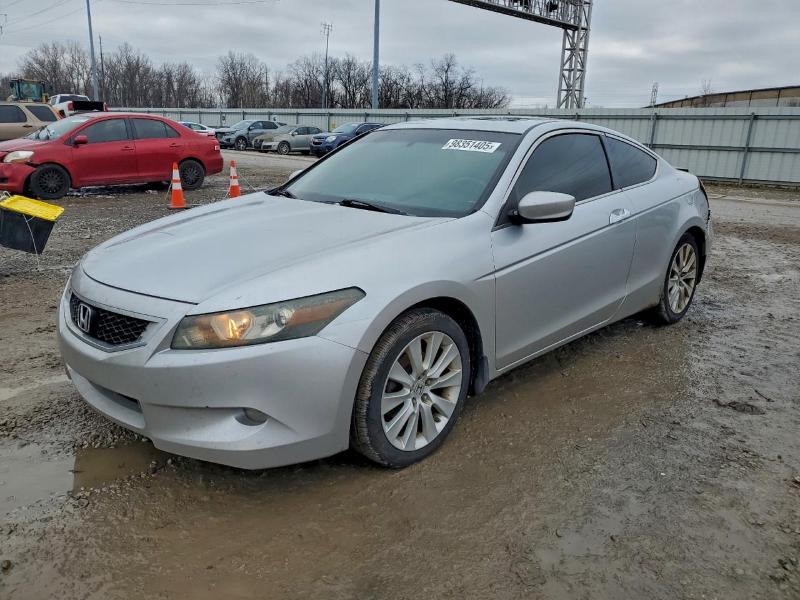
Honda Accord Coupe (2008–2012 four-cylinder; 2003–2007 V6)
Why it’s great: Bigger, more refined, and still engaging to drive. The 2.4L four-cylinder (timing chain) is a reliable daily with solid torque. Earlier V6 models offer strong power; just budget for timing belt service.
What to check: Power steering and suspension noise over bumps (struts/control arms). Automatic transmission fluid changes are a must. V6 models need documented timing belt/water pump replacement.
Scion tC (2005–2013)
Why it’s great: Toyota DNA, a torquey four-cylinder, and a roomy hatch with folding rear seats—surprisingly practical for a coupe. Plenty of affordable OEM and aftermarket parts.
What to check: Earlier engines can consume oil; verify regular oil level checks and changes. Inspect glass roof for cracks and ensure sunshade tracks work smoothly.
Ford Mustang V6 (2005–2010)
Why it’s great: Rear-wheel drive fun, muscular looks, and an enormous parts ecosystem. The 4.0L V6 is simple and durable when maintained. Some high-mileage GT V8s appear under $9k; expect higher insurance and consumable costs.
What to check: Evidence of hard use or poorly installed mods. Listen for differential noises and check for suspension clunks. Inspect underbody and strut towers in rust-prone regions.
Infiniti G35 Coupe (2003–2007)
Why it’s great: A more premium feel with strong V6 power, rear-wheel drive, and excellent seats. When sorted, it delivers a refined, genuinely sporty experience.
What to check: Oil consumption on the VQ35, cooling system condition, and front control arm bushings. Brakes and tires are larger and pricier than economy coupes—budget accordingly.
Hyundai Genesis Coupe (2010–2012)
Why it’s great: Modern styling, rear-drive balance, and two solid choices: a turbo 2.0T or the 3.8L V6. Many examples have enthusiast ownership with tasteful upgrades.
What to check: For 2.0T cars, look for proof of quality maintenance (synthetic oil, turbo care) and beware of aggressive tunes without supporting mods. The 3.8 V6 is typically more set-and-forget but validate service records and clutch feel.
Acura RSX (2002–2006)
Why it’s great: Light, rev-happy, and reliable—classic Honda character. The Type-S commands a premium, so most sub-$9k cars will be base models with the K20A3, still enjoyable and efficient.
What to check: Transmission synchros (2nd gear), worn engine mounts, and suspension bushings. Verify maintenance and look for tasteful, reversible mods.
Toyota Camry Solara Coupe (2004–2008)
Why it’s great: Comfort-first with Toyota reliability. Not the sportiest choice, but a fantastic daily that still looks clean and elegant.
What to check: Oil consumption on some four-cylinders and timing belt service on V6 models. Make sure the automatic shifts smoothly and the A/C blows cold.
Stretch or project picks: Nissan 350Z (2003–2008)
Under $9k, expect higher miles and some cosmetic or mechanical needs. The 350Z is rewarding to drive, but consumables (tires, brakes) and insurance can run higher. A pre-purchase inspection is critical here.
Inspection checklist to protect your budget
- Run a recall and VIN history check before you drive over. Confirm title status (no rebuilt/salvage unless you’re comfortable).
- Cold-start test: Listen for rattles/tapping, watch idle stability, and check for smoke.
- Full-fluid check: Engine oil, coolant color, transmission fluid, brake fluid. Milky oil or burnt-smelling ATF are red flags.
- Suspension and brakes: Clunks over bumps, steering vibration at highway speeds, and soft brake pedal indicate upcoming costs.
- Tires: Match brand and tread depth across an axle; uneven wear suggests alignment or suspension issues. Four new tires can run $500–$900 on many coupes.
- Modifications: Intake/exhaust alone isn’t a dealbreaker, but avoid cars with cheap coilovers, unknown tunes, or electrical add-ons that cause warning lights.
- Pre-purchase inspection (PPI): A $150–$250 PPI by an independent shop can save thousands. Ask for a compression/leakdown test on performance models if concerns arise.
Negotiation tips to close under budget
- Use comps and condition: Bring three comparable listings and your PPI results. Price out needed items (tires, brakes, belts) and subtract from asking.
- Time it right: Private sellers are more flexible at month’s end or during poor weather when test drives slow down.
- Be ready to walk: Leave your number, thank the seller, and walk away politely. Many call back within 24–48 hours.
- Budget the “out-the-door” number: Include tax, registration, and immediate maintenance. A $8,500 car with $700 of deferred items is really a $9,200 car.
Balancing performance with long-term costs
If you’re focused on reliability and low costs, stick to naturally aspirated four-cylinders (Civic, Accord, tC, Solara). They sip fuel, use affordable tires, and have robust parts support. If you want rear-drive fun (Mustang, G35, Genesis Coupe), plan for higher tire/brake costs and possibly higher insurance—still doable under $9k with the right example.
The best strategy is to buy the cleanest car you can afford, not the fastest one on paper. A well-maintained 140k-mile Civic Coupe often outlasts a neglected 110k-mile G35. Service records, a thorough inspection, and a calm test drive are worth more than five extra horsepower.
Set aside an immediate post-purchase fund of $500–$1,000 for fluids, filters, and any surprises. Do that, and your best-rated coupe under $9,000 will deliver years of stylish, engaging driving without the drama.
 Used
Used
 Used
Used
 Used
Used
 Used
Used
 Used
Used
 Used
Used
Used
Used
Used
Used
Used
Used